Team & Partners

Built with established research and clinical groups

Founders

Co-Founders
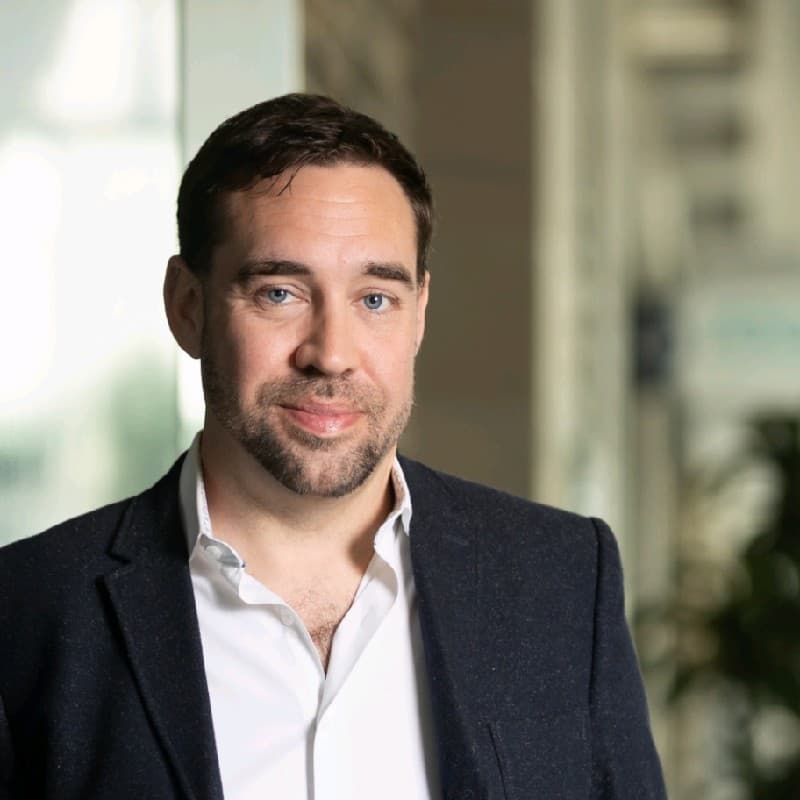
Andrew Haller, PhD

Andrew Haller, PhD

Co-Founder & CTO

Holds a PhD in Molecular Pharmacology and Cancer Therapeutics from SUNY Buffalo and Roswell Park Cancer Institute, where his research focused on drug resistance, cancer metastasis and the biology of cancer stem cells, the same stem-like cell population NSP's scoring is built around. Built the Neoantigen Selection Platform. Also, Partner, Business Development at Launchit Solutions.

Justin Leushner, MBA, B.Sc, CLSp

Justin Leushner, MBA, B.Sc, CLSp

Co-Founder & CEO

Holds a B.Sc. in Cell Physiology and Genetics from the University of British Columbia. Has spent his career commercializing health technology, including as President of Ventripoint Diagnostics and CEO of the Centre for Imaging Technology Commercialization, and currently as Chief Business Officer at Launchit Solutions and a partner at Launchit Ventures.

Academic Partners

The research groups behind the company's data and validation work

Mount Sinai Hospital, Toronto
George Charames, PhD, DABMGG, FACMG, is Director of the Advanced Molecular Diagnostics Laboratory at Mount Sinai Hospital and Associate Professor of Laboratory Medicine and Pathobiology at the University of Toronto. His lab performs the tumor and matched normal tissue sequencing, including whole exome and RNA sequencing.
Toronto Metropolitan University
Costin Antonescu, PhD, is Professor and Chair of the Department of Chemistry and Biology. He leads the in vitro peptide immune screening, the wet lab immunogenicity assays the company's validation plan needs. The Antonescu Lab studies how nanoscale molecular assemblies at the cell membrane control receptor signalling and membrane trafficking, and how disrupting these processes contributes to cancer progression, with a focus on clathrin-mediated endocytosis, cell metabolism and phosphoinositide lipid signalling. Antonescu holds a BSc (2002) and a PhD (2008) from the University of Toronto, completed postdoctoral work at the Scripps Research Institute, and has secured more than $4.8 million in CIHR Project Grant funding.
Our Commitment

Designing for Canada's genetically diverse patient population

At the technology level, the company explicitly tests and improves model performance across a broader range of HLA types, because today's published neoantigen prediction models are trained on data skewed toward alleles common in European ancestry populations, a gap that matters for Canada's genetically diverse patient population. At the team level, this is an early, ongoing commitment rather than an established track record.